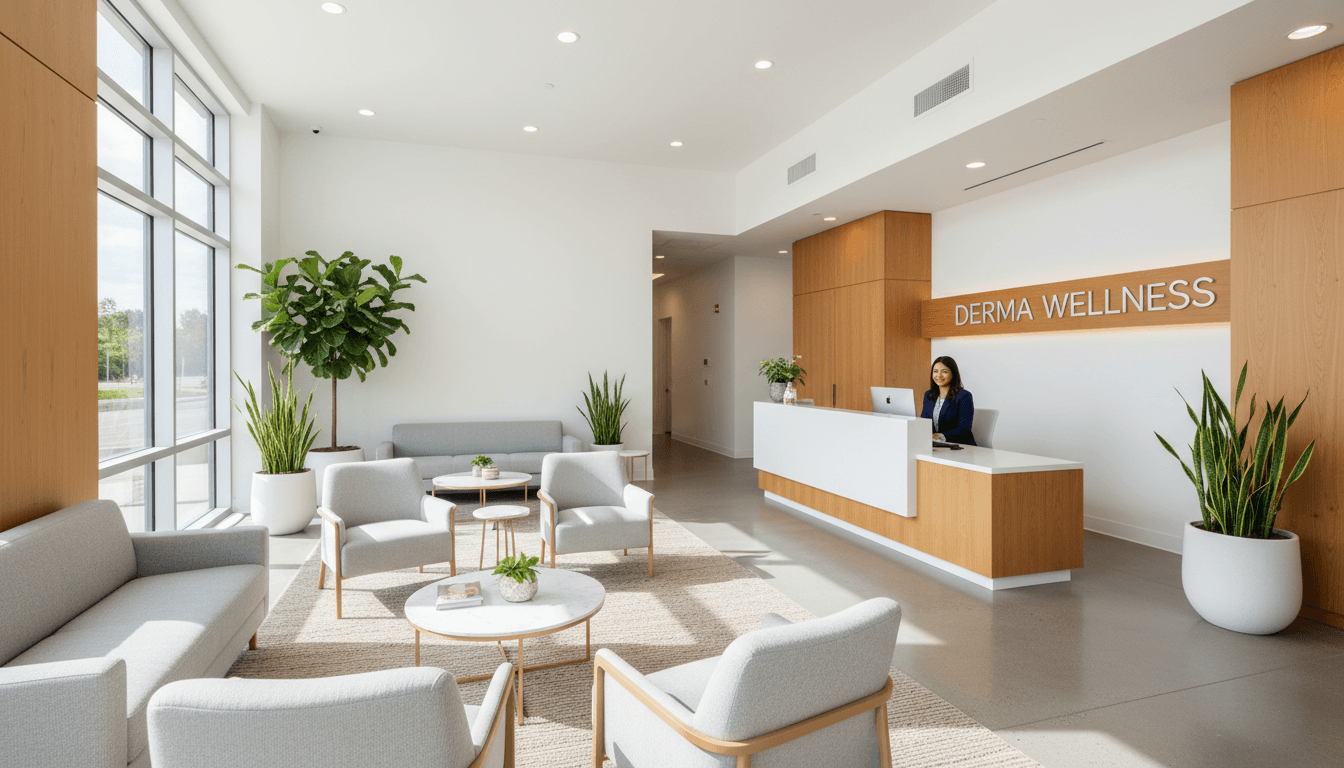
Membership-based primary care Denver is outpacing traditional insurance models by offering patients unlimited access to physicians and transparent, flat-rate pricing without co-pays or hidden fees. This model prioritizes longer appointments and direct communication; it improves health outcomes through proactive care while reducing physician burnout. By removing the administrative hurdles of insurance, these practices provide a more efficient and personalized healthcare experience.
Navigating Denver's healthcare landscape often feels like a marathon of waiting rooms and administrative hurdles. Patients frequently face weeks of delay for a standard checkup, only to receive ten minutes of attention from a distracted provider. This traditional insurance model prioritizes volume over value; consequently, it leaves individuals feeling like numbers rather than people. As local costs rise and access diminishes, membership-based primary care has emerged as a superior alternative for those seeking quality and transparency. In this guide, we examine why Direct Primary Care is outpacing traditional models in the Mile High City. You will learn about the financial advantages of transparent pricing, the logistical benefits of same-day scheduling, and how deep discounts on labs can transform your medical budget. Ultimately, we provide the practical insights needed to determine if this model is the right investment for your health.
The Shift Toward Membership-based Primary Care in Denver
Denver's rapid expansion has significantly outpaced the capacity of local medical infrastructure. Residents often face weeks-long wait times for routine check-ups while monthly premiums and deductibles continue to climb. This frustration is driving a notable shift toward membership-based healthcare services across the Front Range. Known as Direct Primary Care (DPC), this model bypasses the bureaucracy of traditional insurance to restore the doctor-patient relationship.
As the population grows, traditional primary care offices become increasingly crowded. Physicians in these high-volume environments often manage panels of over 2,000 patients, which leaves little room for urgent, same-day needs. The movement toward membership-based primary care Denver residents are now choosing prioritizes availability over sheer volume. By working with board-certified physicians through a subscription model, patients gain predictable costs and immediate access to care.
Instead of navigating a system designed primarily for insurance billing, members benefit from a streamlined, low-cost approach. This model specifically targets the needs of busy professionals and families who require a healthcare solution that values their time and financial stability. By stripping away the middleman, DPC allows for a more focused and personal medical experience that addresses the specific challenges of living in a high-cost urban environment.
The Problem with the Traditional Insurance Model

Traditional insurance models prioritize high volume over high quality, often forcing doctors to function more like data entry clerks than clinicians. This inefficiency stems from how insurance companies reimburse for care, requiring physicians to manage panels of 2,000 or more patients just to remain profitable. For many, this results in the 7-minute doctor visit. Recent data suggests most people spend only 10 to 20 minutes with their physician; a timeframe where more than half of patients report feeling their doctor only knows them somewhat or not at all.
The financial friction of this model extends beyond monthly premiums. Even with employer-sponsored plans, the average single deductible is roughly $1,886. When adding copays for every office visit and the frustration of being unable to reach a provider after hours, the safety net of insurance feels like a barrier. This failure of the system is a primary reason the membership-based primary care Denver families are adopting is gaining momentum. By removing insurance from the routine care equation, doctors can cap their patient panels at a fraction of the traditional size, usually around 400 to 500 people.
This smaller patient load allows board-certified physicians to spend 30 to 60 minutes with each individual. Instead of rushing to meet billing quotas, providers can focus on preventative health and complex issues that cannot be solved in a short window. Choosing membership-based healthcare services means trading the production-line feel of a large clinic for a proactive relationship, ensuring members are treated as people rather than claim numbers on a spreadsheet.
Transparent Pricing: Comparing the True Costs

The financial opacity of the traditional system often results in medical bill sticker shock weeks after a simple appointment. By contrast, membership-based primary care Denver residents access through Care710 relies on a transparent, flat-fee structure that covers all office and video visits. This predictability is essential for budgeting in a city where the cost of living remains high. When you remove the insurance intermediary, the price of routine medical services drops to wholesale levels because there is no need to pad bills to account for administrative overhead or complex coding requirements.
Lab work provides the most striking example of this price discrepancy. A standard metabolic panel, frequently ordered during an annual physical, can be billed at $300 to $500 through traditional insurance channels. The same test is often available at wholesale rates of $40 to $80 for those utilizing membership-based healthcare services. Over a single year, the savings on routine screenings alone can offset a significant portion of the membership fee.
Service Type | Traditional Insurance (Billed Rate) | Membership Wholesale Rate |
|---|---|---|
Metabolic Panel | $300 to $500 | $40 to $80 |
Urgent Care Visit | $200 to $500 | $0 (Included in Membership) |
Office Visit | $150 to $300 | $0 (Included in Membership) |
For individuals and families in Denver using a High-Deductible Health Plan (HDHP), the math is particularly compelling. Traditional insurance-based patients often default to urgent care when their primary doctor has no openings, incurring significant costs before their deductible is met. Data suggests that members of direct models utilize urgent care 50% to 65% less often because they have direct access to their board-certified physicians. This shift in care delivery can save a typical household between $300 and $750 annually by avoiding those high-cost, one-off clinical encounters. By paying a set monthly rate, members exchange the risk of unpredictable, expensive bills for a controlled healthcare spend that prioritizes preventative maintenance over crisis management.
Unparalleled Access: Same-day and Next-day Appointments

Controlling healthcare costs is a major advantage, but financial predictability is only useful if you can actually get into the exam room when you need to. For busy Denver professionals, the primary obstacle to wellness is often the three week wait for a routine appointment. When an acute illness or injury occurs, a traditional clinic schedule rarely accommodates the urgency. This systemic delay forces many into expensive urgent care centers; however, membership-based healthcare services solve this by prioritizing availability.
By choosing membership-based primary care Denver residents ensure they can see a doctor when they are actually sick. Care710 achieves this by maintaining significantly smaller patient panels. While traditional physicians often struggle with 2,000 patients, board-certified physicians in this model limit their panels to roughly 400 to 500 individuals. This reduced volume allows for guaranteed same-day or next-day appointments. Members benefit from unlimited office visits and video consultations at no extra cost, removing the barrier of per-visit fees. This structure provides the peace of mind that comes from knowing professional medical advice is available immediately, rather than being part of the 62% of adults who report they cannot reach their doctor when needed.
Beyond the Exam Room: Deep Discounts on Labs and Imaging
The convenience of a timely appointment loses its value if the subsequent diagnostic tests or prescriptions are unaffordable. While traditional clinics leave patients to navigate the complex pricing of third-party labs and pharmacies, Care710 leverages its model to secure wholesale rates. By choosing membership-based primary care Denver patients gain access to deep discounts that extend far beyond the consultation room. Membership does not simply pay for the expertise of board-certified physicians; it functions as a purchasing collective that bypasses the significant markups common in the retail medical market.
For Denver residents managing chronic conditions or acute injuries, these savings are substantial. Common imaging services, such as X-rays or MRIs, which often cost thousands when processed through insurance deductibles, are available at a fraction of the price through membership-based healthcare services. Similarly, many routine medications can be sourced at near-wholesale costs. This transparent pricing structure is particularly beneficial for the underinsured or those attempting to manage a fixed budget in an increasingly expensive city. By stripping away the administrative layers of insurance billing, Care710 ensures that the hidden costs of healthcare do not become a barrier to recovery. This approach transforms the membership from a simple service fee into a strategic financial tool for lowering total out-of-pocket medical spending. Contact Care710 today to see how our wholesale pricing compares to your current out-of-pocket costs.
Is Direct Primary Care Worth the Cost? Addressing Common Concerns
A common question for Denver residents exploring this model is whether a membership represents an additional expense or a strategic savings tool. It is important to clarify that membership-based primary care Denver families utilize is not a total replacement for traditional insurance. This model does not cover catastrophic events such as major surgeries, emergency room trauma, or long term hospitalizations. To manage these risks, most members adopt a Hybrid Model by pairing membership-based healthcare services with a High-Deductible Health Plan (HDHP) or a health share program. This combination provides a safety net for rare, high-cost emergencies while ensuring routine care remains affordable and accessible.
Concerns about paying twice, once for insurance premiums and once for membership, are common but often disappear when calculating the total cost of care. In a traditional system, a patient with a $1,886 average deductible pays full price for every lab, imaging scan, and office visit until that threshold is met. By contrast, members frequently see their monthly fee offset by the elimination of co-pays and the deep discounts provided by board-certified physicians on essential diagnostics.
Reduced Urgent Care Use: Members typically utilize urgent care 50% to 65% less often because they have direct access to their physician.
Wholesale Lab Savings: A single metabolic panel can save a member over $200 compared to insurance-billed rates.
Preventative Focus: Frequent, unhurried visits help identify health issues before they require expensive specialist interventions.
When you factor in these savings, the membership often pays for itself by preventing just one or two unnecessary urgent care visits or high-cost lab orders. Contact Care710 today to review a cost comparison and see how this model fits your specific healthcare budget.
The Local Advantage: Finding the Right Denver Physician
Finding the right physician in Denver requires looking beyond clinic proximity. High quality membership-based primary care Denver residents deserve should center on board-certified physicians who maintain deep roots in the community. Unlike expensive concierge models that often charge thousands in monthly fees, Care710 focuses on making membership-based healthcare services affordable for the average professional.
When evaluating a local practice, prioritize providers who offer a direct personal connection and an upfront fee structure with no hidden charges. Choosing a local doctor who understands the specific health challenges of the Front Range ensures your care is both expert and contextually relevant. Contact Care710 today to schedule a visit with a physician who puts your health and budget first.
The membership-based model succeeds because it restores the essential connection between you and your physician, moving away from the limitations of insurance. By choosing a system that values outcomes over volume, you can finally experience healthcare that is tailored specifically to your wellness goals. If you want expert help finding a better path forward in Denver, please read more About how our team supports your long-term health. We are here to ensure that your medical journey is simple, thorough, and completely focused on you.